The Hidden Step That Bottlenecks Your Work-Life Balance

At 8:00 AM, the coffee mug sits steaming next to a cluttered notebook on the kitchen table, a reminder of the back-to-back meetings ahead. The remote worker flips open the laptop, glancing at the calendar filled with video calls. Each meeting is a chance to connect, but first, there's the task of sifting through a flood of emails that arrived overnight. As the screen lights up, the instinct to check the inbox pulls focus, pushing aside the need to prepare for the day. This routine, familiar yet fraught, often leads to a chaotic start, where email replies overshadow crucial prep time.
Without a clear agenda line in the meeting notes, the worker risks entering discussions unprepared. The task list, which should guide the morning, gets buried under a deluge of replies, leaving important points unaddressed. A quick check of the calendar could have set priorities straight, ensuring that the first work block is dedicated to thoughtful preparation instead of reactive responses. This small oversight can create a bottleneck, making it difficult to transition smoothly from personal life into professional responsibilities.
The Morning Setup That Gets Overlooked
At the kitchen table, the remnants of yesterday's work linger—a half-drunk coffee mug sits next to a cluttered task list, its pages dog-eared from constant flipping. It's early morning, and the sunlight filters through the window, casting a warm glow over the scattered notes and a laptop that beckons with its notifications. On meeting days, this setup can quickly become a trap, as the instinct to check emails takes precedence over the more pressing need to prepare for the day ahead.
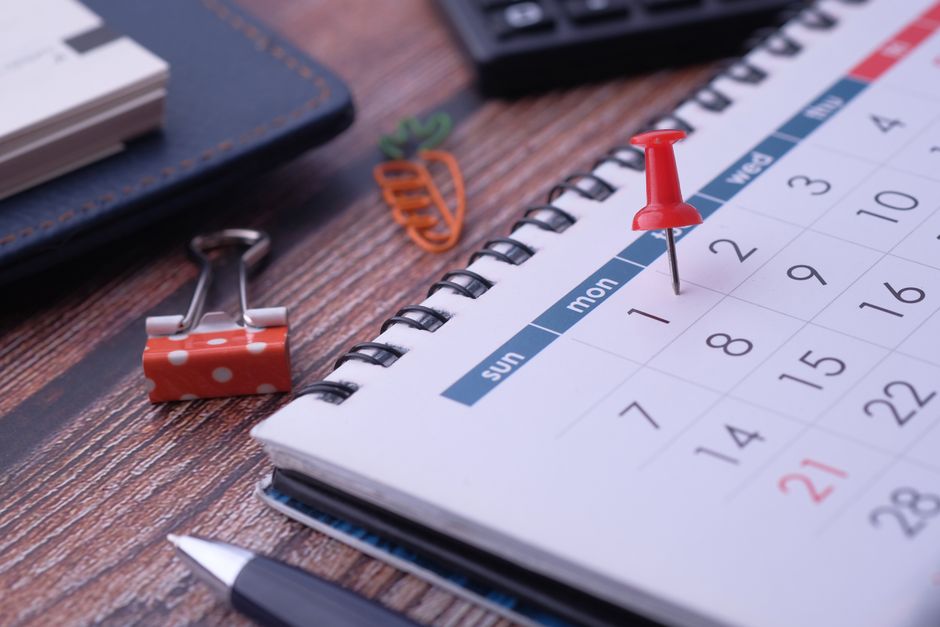
Before diving into the inbox, a quick glance at the calendar could provide clarity on priorities. Instead of opening the email app first, consider flipping to the task list, which outlines the key points for the day’s meetings. This simple shift can prevent the chaos of email replies from overshadowing essential prep time. For instance, if the agenda line is missing from the meeting notes, it can lead to missed opportunities for contribution. By ensuring that the task list is reviewed first, any follow-ups can be captured and organized, creating a smoother transition into professional responsibilities.
When the focus shifts to preparing for meetings instead of reacting to emails, the morning routine transforms. The cluttered desk becomes a space for strategic planning rather than a chaotic response center. By prioritizing the task list over the inbox, the remote worker can set the tone for a productive day, ensuring that each meeting is approached with the necessary context and confidence. This adjustment not only enhances workflow but also alleviates the stress of scrambling to catch up.
Steps That Are Often Missed in the Daily Routine
As the early morning light filters through the kitchen window, a remote worker settles at the kitchen table, coffee mug in hand, ready to tackle the day. The desk is cluttered with notebooks and a task list, but before diving into emails, a crucial step often gets overlooked: checking the calendar. Without this simple act, the day can quickly spiral into chaos, with notifications and unplanned calls diverting attention from the most pressing tasks.
When the calendar isn’t reviewed first, it becomes easy to lose focus. For example, if a meeting is scheduled for 10 AM but the worker opens their email instead, they might find themselves responding to a flurry of messages that could easily consume the next hour. This not only steals time but also fragments the mental space needed for effective preparation. The agenda line, which should be noted down in the meeting notes page, often gets missed, leading to confusion and missed opportunities during discussions.
By prioritizing a quick glance at the calendar, the remote worker can identify the day’s key meetings and tasks, ensuring that they capture any necessary follow-ups in their task list. This small adjustment creates a more strategic approach to the morning routine, allowing for a smoother transition into the workday. Instead of reacting to emails, the focus shifts to preparing for meetings, making the workspace a hub of productivity rather than a chaotic response center.
A More Effective Sequence for Morning Preparation
A slightly different version of this problem appears in Balancing Work And Life, where the sequence changes but the hidden drag feels familiar.
Before diving into a busy meeting day, a remote worker can set the tone for a productive morning by adjusting the order of their initial tasks. Instead of immediately opening their email, they should first check their calendar. This simple shift allows them to see the day’s critical meetings and deadlines, ensuring they’re mentally prepared. For instance, if a 10 AM meeting is on the agenda, they can note the key points to discuss, such as the project update that needs to be highlighted.
After reviewing the calendar, the next step is to look over the task list. This is where the worker can jot down any follow-ups or action items that arise from the meetings. If they skip this step and jump straight into emails, they might overlook crucial details. A missed agenda line on the meeting notes page could lead to confusion during the call, making it hard to address important topics. By taking a moment to capture these notes right after checking the calendar, they create a clear roadmap for the day.
Finally, once the calendar and task list are reviewed, the worker can open their email. This order minimizes the risk of distractions taking over their focus. Instead of reacting to incoming messages, they can approach their emails with a strategic mindset, knowing what needs to be prioritized based on their earlier preparations. This slight adjustment transforms the morning routine from a chaotic scramble into a well-organized launchpad for the workday.
What Changes When the Sequence is Adjusted
If this pattern keeps repeating, Writing Clearly At Work extends the idea without leaving the niche.
On a typical meeting day, the early morning rush often leads to a chaotic start. Sitting at the kitchen table with a steaming coffee mug in hand, the remote worker faces a familiar dilemma: should they dive straight into emails or take a moment to prepare? The temptation to check for urgent messages can quickly overshadow the need to review the day’s agenda. However, adjusting the sequence of tasks can yield significant benefits.
By first checking the calendar and jotting down any follow-ups on the meeting notes page, the worker sets a clear focus for the day. This small act of capturing notes transforms the meeting experience. Instead of scrambling to remember key points, they can address each agenda item with confidence. For instance, if a follow-up about project deadlines is noted, it becomes easier to steer the conversation during the call. Without this step, important details risk slipping through the cracks, leaving the worker scrambling to recall them later.
Moreover, this adjustment reduces the email spillover that often eats into preparation time. With the task list open and the calendar reviewed, the worker can approach their inbox with a clear priority list. Instead of reacting to every incoming message, they can focus on what truly matters, allowing for a smoother transition into work. The result is a more organized start to the day, where each meeting feels purposeful rather than chaotic.
Ultimately, this simple shift in sequence not only enhances productivity but also lowers stress levels. By prioritizing preparation over distractions, the worker can create a more effective workflow that supports both their professional communication and overall work-life balance.
As the morning light filters through the window, it's easy to get caught up in a flurry of emails before even looking at the calendar. This common oversight can lead to a chaotic start, where urgent replies overshadow critical preparations. By simply checking the calendar first, the remote worker can align their focus with the day’s priorities, ensuring that the agenda is clear before diving into the inbox.
Next time you sit down at your home desk, take a moment to open your task list and confirm your meeting notes. Make it a habit to capture any follow-ups from your last meeting right away. This small adjustment not only helps in maintaining a structured workflow but also minimizes the risk of missing important details during your busy day. By refining this morning routine, you can tackle your work with intention, ultimately addressing the hidden bottlenecks that disrupt your work-life balance.