Balancing Work And Life
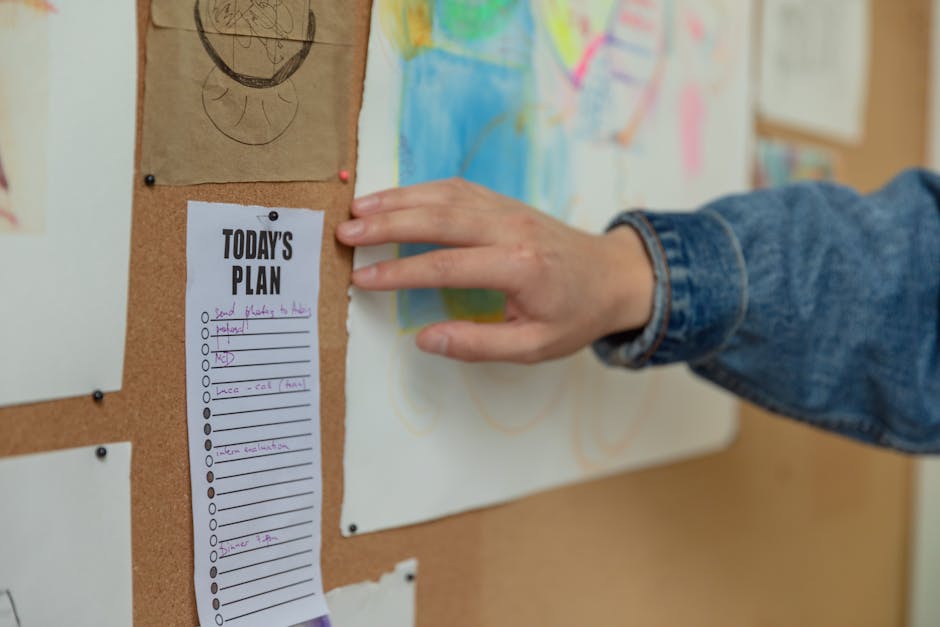
It's early morning at the kitchen table, and the coffee mug sits next to an open notebook filled with hastily scribbled tasks. The first work block approaches, but the email draft window is already flashing with notifications. Each ping pulls focus away from preparing the presentation deck due for the first call. Ten minutes before the meeting, the deck remains closed, and the remote worker can feel the creeping sense of unease as replies to last night’s emails demand attention. This is the moment when work habits begin to fray, with the urgency of email replies overshadowing the preparation needed for the day ahead.
Opening the working document first feels like a missed step, but the allure of quick responses is hard to resist. Each email reply seems more pressing than the task of finalizing the slides, leading to a chaotic scramble. The task list, meant to streamline workflow planning, now sits neglected, and the follow-up for that critical point in the presentation is lost in the shuffle. As the clock ticks down, the balance between work and life begins to tip, revealing how easily distractions can derail even the best-laid plans.
The Morning Routine Before Chaos
At the kitchen table, the remote worker sips from a favorite coffee mug while flipping through a notebook filled with scribbled tasks. The laptop sits open, its screen reflecting the soft morning light, yet the distractions of the day remain at bay for now. This early moment, just before the first call of a packed meeting day, is crucial for setting the tone of productivity. With a glance at the task list, they mentally prioritize the presentation deck that needs final touches before the video call.
However, the temptation to check emails looms large. Just ten minutes before the meeting, the worker knows the deck should be open, but instead, they find themselves staring at the email draft window, fingers hovering over the keyboard. Each notification that pings draws attention away from the critical task at hand, creating a friction point where preparation slips. The decision to respond to one quick email feels harmless, yet it leads to a cascade of replies, pushing the deck further down the priority list. With the clock ticking, the follow-up note for a key discussion point vanishes into the ether, lost amidst the flurry of distractions. The initial calm of the morning routine is quickly overshadowed by the chaotic demands of email replies, revealing how easily focus can be derailed on a busy day.
When Email Replies Crowd Out Prep Time
It’s early morning, and the coffee mug sits next to an open notebook on the kitchen table, ready for a focused work session. The remote worker knows the first task is to finalize the presentation deck before the back-to-back calls begin. Yet, the email draft window is already open, filled with unread messages and notifications demanding attention. With only ten minutes left before the call, the worker thinks checking emails will be a quick task, but this decision leads to a slippery slope of distractions.
As replies start flooding in, each notification pulls focus away from the deck that remains closed, untouched. The initial intention to respond to one quick email quickly spirals into a series of exchanges, resulting in a missed check on the task list. The follow-up note intended for a key discussion point is lost in the shuffle, and suddenly, preparation feels rushed and incomplete. The worker realizes that by prioritizing email over the critical document, they’ve traded clarity for chaos, leaving them scrambling just moments before the meeting begins.
Understanding the Friction of Daily Distractions
A slightly different version of this problem appears in Balancing Work And Life, where the sequence changes but the hidden drag feels familiar.
The early morning light streams through the window as the remote worker sits at their kitchen table, a steaming coffee mug nearby and a notebook open to a fresh page. With back-to-back calls looming, the first task is clear: finalize the presentation deck. However, the email draft window on the screen is filled with notifications, each ping a siren call demanding immediate attention. The pressure to respond quickly creates a reactive environment, where the instinct to check emails overshadows the need to prepare. As they click on the first unread message, the intention is to handle just one quick reply.
What starts as a simple check quickly spirals out of control. Each email pulls focus away from the deck, which remains closed, untouched, and forgotten. In the rush to address incoming queries, the worker loses sight of the follow-up note they intended to capture for the meeting—a critical point now lost in the shuffle. The hidden tradeoff here is clear: by prioritizing email responses over structured preparation, they trade a calm, organized workflow for a chaotic scramble. As the clock ticks down, the realization hits that good intentions alone aren’t enough; without a clear sequence of opening the working document first, the preparation feels rushed and incomplete, leaving them scrambling just moments before the meeting begins. A Simple Adjustment to Regain Control With the clock ticking down to the first meeting of the day, the worker sits at their kitchen table, coffee mug in hand, staring at the blank screen of their laptop. The task list is open, but the email draft window is too tempting. Before diving into emails, a quick note on the task list captures the one key follow-up needed for the call. This simple act anchors their focus and sets the stage for a more productive morning.
- Write down the follow-up in the task list to ensure it’s not forgotten during the email frenzy.
- Set a timer for 10 minutes dedicated solely to preparing the presentation document, blocking out distractions.
- Open the working document first, ensuring it’s ready for review before any emails are checked.
As the timer starts, they shift their attention to the presentation deck, which remains closed just ten minutes before the call. This small sequence change—prioritizing document prep over email—creates a focused environment. The pressure of an impending meeting can easily lead to chaotic multitasking, but by capturing that follow-up first, they gain clarity. Now, instead of rushing through the email replies, they can approach the meeting with a sense of preparedness, knowing they’ve set aside dedicated time to refine their materials.
What Gets Easier in the Next Time Block
If this pattern keeps repeating, Writing Clearly At Work extends the idea without leaving the niche.
With the coffee mug steaming beside the laptop, the early morning sun filters through the kitchen window, illuminating a cluttered desk setup. The task list sits open, but the presentation deck remains closed, a silent reminder of the looming deadline. As the clock ticks closer to the first meeting, the temptation to dive into email replies grows stronger. However, shifting focus to the working document first can create a smoother transition into the busy day ahead.
By prioritizing the document prep, the remote worker opens the presentation deck before checking emails. This simple adjustment allows them to visualize the content they need to discuss, reducing the mental clutter that comes from juggling multiple tasks. Instead of letting email distractions derail their focus, they capture one follow-up in the task list, ensuring it’s not lost in the chaos. The act of opening the working document first creates a clear intention for the next time block, leading to a more organized approach.
As they prepare for the meeting, the clarity gained from this focused prep time pays off. When the call starts, they can confidently present their ideas, knowing they’ve set aside dedicated time to refine their materials. This small sequence change not only enhances their readiness but also reduces the anxiety that often accompanies back-to-back calls. The desk may still be cluttered, but the mental space feels lighter, allowing for a more productive workflow as the day unfolds.
As the morning light filters through the window, the remote worker sits at their kitchen table, coffee mug in hand, staring at an open email draft. The deck for the upcoming call remains closed, a silent reminder of the preparation that slipped through the cracks. With each ping of a new email, the temptation to respond grows stronger, often leading to a chaotic scramble just minutes before the meeting. By shifting focus to opening the working document first, they can reclaim that lost prep time, setting a clear intention for the next work block.
This simple action not only prioritizes the task at hand but also helps capture any follow-up items in the task list, ensuring nothing gets overlooked. As they prepare, the mental clutter begins to clear, allowing for a more organized approach to the day. In the rush of back-to-back calls, it’s easy to let email distractions derail focus, but by anchoring to that initial task, they enhance their readiness and create a smoother workflow.


