Why Balancing Work And Life Starts to Drift After a Few Busy Days
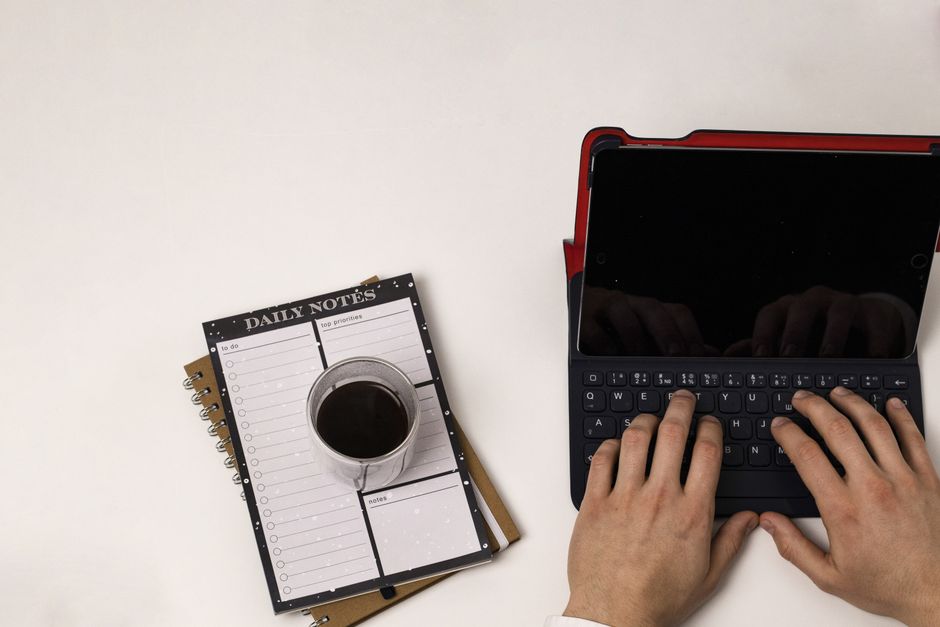
It’s early morning, and the kitchen table is cluttered with a coffee mug, a notebook filled with scrawled reminders, and a task list pinned to the wall. As I sit down, I glance at my calendar, noting the back-to-back meetings scheduled for the day. Each meeting is a potential pitfall, a chance for follow-ups to slip through the cracks if I don’t prepare properly. I open my working document tab, but before diving into the day’s tasks, I can feel the pull of my email notifications, threatening to derail my focus.
Missing the agenda line from yesterday’s notes is a small but telling sign of how easily I can lose track. Without that context, my responses to team emails become reactive rather than strategic. The friction comes from not checking my calendar before opening my email; each reply tends to crowd out the time I need to prep for the next meeting. If I don’t establish a clear workflow now, the day will quickly spiral into a series of fragmented tasks, leaving me scrambling to catch up by the afternoon.
The Morning Setup That Often Goes Awry
The kitchen table is a jumble of my morning essentials: a steaming coffee mug, a well-worn notebook filled with scribbles, and my laptop, already open to a cluttered work document. It’s early, and I can still feel the remnants of sleep tugging at me as I scan my task list, which sits half-heartedly displayed on the screen. I haven’t fully reviewed it yet, and the thought of diving into emails before clarifying my priorities sends a shiver of dread through me. The agenda line from yesterday’s notes is glaringly absent, a small detail that could easily derail my responses to team inquiries later in the day.
Before I can open my email, I force myself to check my calendar first. I see back-to-back meetings ahead, and realize I need to carve out a solid block of time for preparation. Each email I reply to could easily consume the minutes I need to gather my thoughts and outline key points for the discussions. I take a moment to jot down a quick outline in my notebook, which helps me visualize what I need to address. This small act of preparation shifts my focus from reactive email responses to proactive meeting readiness. Yet, the temptation to dive into my inbox looms large. If I don’t establish this morning routine, I risk letting the day slip into a chaotic cycle of fragmented tasks, where follow-ups become lost amidst the noise of incoming messages.
Steps in the Routine That Get Overlooked
Early mornings at my kitchen table often feel like a race against time. With my coffee mug steaming beside my laptop, I open my work document tab, ready to tackle the day. However, the first step I often overlook is checking my calendar before diving into emails. This simple act can set the tone for my entire day. Without that glance, I might miss critical meetings or deadlines that are lurking just around the corner.
As I scroll through my inbox, the flood of replies can easily distract me from what truly needs my attention. I notice that I’ve skipped reviewing my agenda for the day, which means I’m not fully prepared for the back-to-back meetings that lie ahead. The absence of a clear outline in my notes leaves me vulnerable to scattered focus. Instead of honing in on key points, I find myself reacting to emails, which consumes precious minutes that should be allocated for preparation.
To avoid this pitfall, I now keep a small notebook open next to my laptop. Before I even open my email, I jot down the top three tasks I need to focus on for the day. This quick check-in helps me prioritize and visualize my workflow. Not only does it ground my thoughts, but it also creates a buffer against the chaos of incoming messages. If I skip this step, I risk letting my attention drift towards distractions, stealing time and clarity from my actual work.
Ultimately, the overlooked step of checking my calendar and prioritizing tasks can mean the difference between a productive day and one filled with reactive chaos. By establishing this routine, I can better manage my time, ensuring that follow-ups don’t vanish into the noise of my inbox.
A slightly different version of this problem appears in Writing Clearly At Work, where the sequence changes but the hidden drag feels familiar.
A Common Bottleneck: The Email Overload
Before the first work block of the day, I settle into my home office, coffee mug in hand, and open my laptop. The screen lights up, revealing a cluttered email inbox filled with replies and notifications. I glance at my task list, but the urge to check emails pulls me in. This is where the friction begins: by prioritizing email responses over my planned agenda, I risk losing crucial details. Just yesterday, I realized that a key agenda line was missing from my meeting notes because I had checked my inbox right before drafting them, distracted by the flurry of replies.
As I sit at my kitchen table, the clock ticks closer to my first meeting. I know I should be reviewing the agenda and preparing my talking points, but instead, I find myself crafting email drafts in response to last-minute queries. This fragmented communication not only delays my task planning but also leaves me scrambling for clarity when it’s time to present. To counter this, I’ve started a new routine: before opening my email, I check my calendar and jot down the top three priorities for the day in my notebook. This simple act grounds my focus and ensures that I don’t overlook critical items. However, if I skip this check, I end up with a disjointed workflow, where email replies take precedence over thoughtful preparation, leaving me feeling reactive rather than proactive. A Cleaner Order for Morning Tasks Before the sun fully rises, my kitchen table is already set for the day’s challenges. With a steaming coffee mug in hand, I scan my calendar on the laptop screen, noting the back-to-back meetings ahead. This early review is crucial; it allows me to see not just what’s on my plate but also how I can structure my focus. If I skip this step, I risk diving straight into emails, losing sight of my priorities amid the flood of replies and requests that can easily derail my morning.
- Review the calendar for the day to identify key meetings and deadlines.
- Prioritize the top three tasks in my notebook, ensuring I have a clear path forward.
- Set a timer for 15 minutes to dedicate to the most critical task before opening my email.
This sequence transforms my morning routine. After checking my calendar, I write down my top three tasks, which often include preparing for a presentation and drafting a project update. By setting a timer, I create a focused window to tackle the most pressing item without the distraction of incoming emails. The difference is palpable; I feel more in control, and my desk setup—complete with organized notes and a clear task list—reflects that clarity. If I neglect this order, I find myself overwhelmed, with my email dictating my day instead of my planned priorities.
A Quick Check That Prevents More Drift
Before diving into the day’s tasks, I make it a point to check my calendar first. This simple act, performed while sipping my coffee and glancing at my notebook, serves as a crucial anchor. It’s easy to lose sight of priorities when the email pings start flooding in, but reviewing the agenda helps me identify any immediate follow-ups or meetings that require my attention. For example, if I see a project deadline looming, I can adjust my task list accordingly.
This early morning check also highlights gaps in my workflow. If I notice that the agenda line is missing from my notes for an upcoming meeting, I take a moment to fill it in right then. This prevents me from scrambling later, ensuring I have a clear focus when the meeting starts. By integrating this quick check into my routine, I create a more structured approach to the day, reducing the likelihood of drifting into reactive mode as emails start to pile up. Skipping this step often leads to disorganization, where my priorities become dictated by incoming messages rather than my planned agenda.
What Runs More Smoothly After That
This same friction shows up again in Balancing Work And Life, especially when the day tightens unexpectedly.
In the early morning, as I sit at my kitchen table with a steaming coffee mug, I often take a moment to check my calendar before diving into emails. This simple act helps me prioritize my tasks and prevents the chaos of an unorganized day. For instance, if I notice a meeting scheduled for later in the morning, I can quickly pull up the agenda document to ensure I have all necessary notes in place. This proactive approach means I’m not scrambling to gather my thoughts just minutes before the meeting.
After integrating this routine, I find that my workflow becomes significantly more coherent. Instead of letting email replies dictate my focus, I’m able to tackle my task list with intention. If I spot an item on my calendar that requires immediate attention, like a follow-up from yesterday’s discussion, I can address it right away, rather than letting it slip through the cracks. The result? My meetings are more productive because I arrive prepared, and I feel less overwhelmed by incoming messages. This small adjustment in my routine creates a ripple effect, allowing me to maintain a clearer headspace throughout the day.
As I sit at my kitchen table with a steaming coffee mug, I realize that the first few minutes of my workday are crucial. By taking just a moment to check my calendar before diving into emails, I create a buffer that helps me prioritize my tasks. This simple act prevents me from getting lost in a sea of replies that can easily crowd out my prep time. When I see a meeting on the horizon, I open the relevant document to ensure I have all my notes ready, avoiding that last-minute scramble that often leads to missed details.
These early checks not only streamline my workflow but also set a tone for the day. I’m finding that when I start with intention, the handoff between tasks becomes smoother. Instead of letting distractions dictate my focus, I can maintain a clearer headspace, allowing me to balance my work commitments and personal life more effectively. Tomorrow morning, I’ll make it a point to review my task list first, ensuring I’m ready to tackle the day without letting anything slip through the cracks.