Navigating Work-Life Balance During Back-to-Back Meetings

It's early morning, and the coffee mug sits steaming next to a cluttered task list on the kitchen table. A quick glance at the calendar reveals back-to-back meetings starting in just thirty minutes. The remote worker, already feeling the pressure, opens the laptop and navigates to the email app, where a flood of new messages awaits. Among them, a follow-up from yesterday's discussion is buried, making it easy to overlook essential details that could impact today's calls.
As the clock ticks down, the worker realizes that the working document for the first meeting hasn't been opened yet. This oversight could lead to scrambling for information mid-call, disrupting the flow of professional communication. Instead of diving into emails, a simple pre-meeting check to open the working document first would streamline the transition between tasks. This small adjustment can significantly enhance workflow planning, ensuring that critical points are addressed without unnecessary delays.
The Morning Rush: What Gets Overlooked
The kitchen table is a chaotic mix of a half-drunk coffee mug, scattered papers, and an open notebook filled with hastily jotted notes. As the clock approaches 8:30 AM, the remote worker glances at the calendar on their laptop screen, revealing a relentless lineup of back-to-back meetings starting in just thirty minutes. The pressure mounts; the morning routine feels more like a sprint than a preparation phase.
In the midst of this frenzy, one glaring oversight looms: the working document for the first meeting remains unopened. This simple act of neglect can lead to scrambling for crucial details mid-call, disrupting the flow of communication. Instead of diving into the email app, where new messages are piling up and follow-ups are easily buried, a quick pre-meeting check to open that document first would set a more organized tone for the day. By prioritizing this small adjustment, the worker could ensure that important points are at their fingertips, ready for discussion.
As the clock ticks down, the cluttered table becomes a symbol of missed opportunities. The decision to focus on emails instead of the working document creates a ripple effect, increasing anxiety and diminishing the effectiveness of each meeting. The choice to open the working document first could transform the chaotic morning into a more manageable workflow, ultimately leading to a more productive day.
Before the First Call: The Decision That Matters
As the laptop clicks open on the kitchen table, the morning light casts a glow on the task list beside the coffee mug. The urge to check emails first feels almost instinctual, pulling attention away from the working document that holds the agenda for the day’s back-to-back calls. With only minutes to spare before the first meeting, the decision to dive into the inbox seems like a time-saver, but it sets off a chain reaction that complicates the workflow.
In the rush to respond to a new email, a crucial follow-up message from a team member gets buried under an avalanche of unread notes. This oversight creates a friction point, as the worker scrambles to recall details mid-call, leading to awkward pauses and fragmented communication. The choice to prioritize the email app over the working document, which remains unopened until the last minute, not only heightens anxiety but also disrupts the flow of the meeting. Instead of having key points at their fingertips, the worker faces a chaotic scramble for information, leaving them unprepared and frustrated.
Opening the working document first could have transformed this hectic start into a more structured approach. A quick glance at the agenda would have provided clarity and focus, allowing for a smoother transition between tasks. By recognizing the temptation to check emails first as a potential pitfall, the worker could shift their routine to prioritize essential documents, paving the way for a more effective day ahead.
This same friction shows up again in Writing Clearly At Work, especially when the day tightens unexpectedly.
A More Effective Sequence: Pre-Meeting Checkpoints
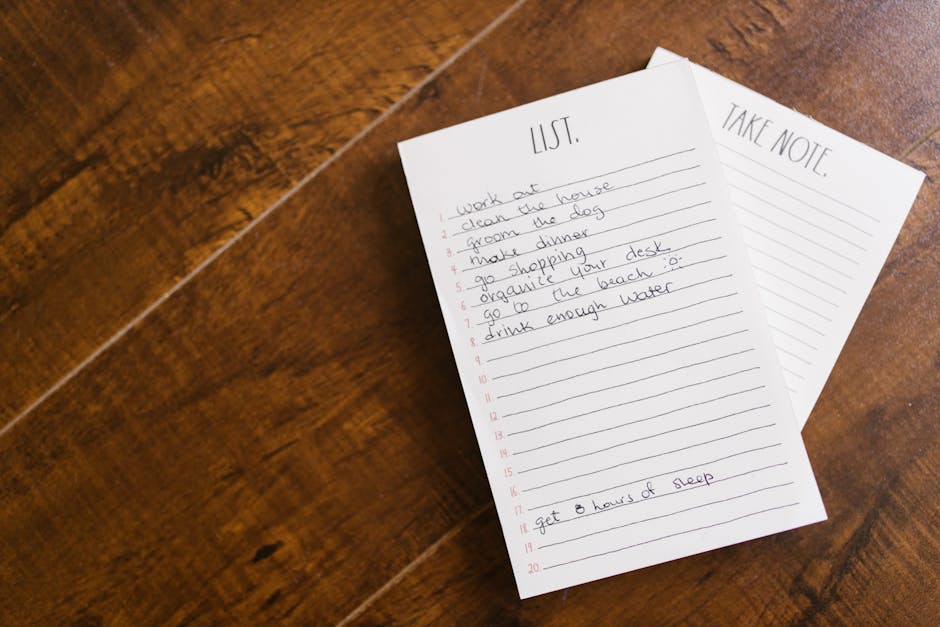
Starting your day by opening the working document sets a focused tone for the hours ahead. When the calendar pane shows back-to-back calls, it’s easy to get lost in the flood of notifications and emails. Instead, take a moment to prioritize by reviewing your task list and calendar. This simple action can clarify what needs immediate attention and what can wait.
- Open the working document first thing to have key points accessible during meetings.
- Review your task list and calendar to identify urgent items before the first meeting.
- Consider checking your email only after these steps to avoid distractions.
By implementing this sequence, you create a buffer against the chaos of a crowded day. When you open your working document first, you’re not scrambling for information mid-call, which often leads to awkward pauses. Instead, you’re prepared, with everything organized and readily available, allowing for smoother transitions between tasks.
Repeating Success: The Outcome of Better Choices
If this pattern keeps repeating, Balancing Work And Life extends the idea without leaving the niche.
Opening your working document first thing transforms the rhythm of a busy day. Instead of scrambling for notes during a meeting, you can confidently reference your key points. This small adjustment allows you to focus entirely on the current discussion, rather than worrying about what you might have missed from earlier tasks. For instance, when you take the time to draft an email after reviewing your notes, you can quickly address any follow-up items that arose in the previous meeting.
Completing tasks without the last-minute rush becomes a norm rather than an exception. By consistently prioritizing your task list and calendar before diving into emails, you create a buffer that protects your workflow. This means that when the next meeting starts, you’re not distracted by lingering thoughts about unfinished tasks. Instead, you’re engaged and present, enhancing your professional communication.
As you repeat this process, you notice a grounded carry-forward effect: your email drafts become clearer and more concise. You’re able to pull relevant points from your working document, ensuring that nothing important gets buried under new messages. This proactive approach not only smooths transitions between meetings but also fosters a sense of accomplishment. Each successful handoff between tasks reinforces your ability to balance work and life more effectively.
As you navigate the busy rhythm of remote work, the small choice of opening your working document before diving into emails can significantly shift your focus. This simple act, performed early in the morning, sets the stage for a more intentional workflow. When you prioritize your task list, you’re less likely to let urgent emails derail your attention, allowing you to engage fully in each meeting. The result? A more seamless transition between tasks, where your thoughts are organized and ready to contribute.
Next time you prepare for back-to-back calls, take a moment to check your calendar event pane and ensure your working document is open. This small, proactive step can help prevent important follow-ups from getting buried under new messages, keeping your communication clear and effective. By making this adjustment, you’re not just managing your tasks; you’re actively enhancing your ability to balance work and life.